Top 10 Morning Habits That Change Your Life in 2026
Master your morning to master your year. From neuro-priming to digital fasting, these are the science-backed morning habits successful people are using in 2026 to stay ahead.

In 2026, the concept of the "morning routine" has evolved far beyond a simple cup of coffee and a quick shower. With the pace of life accelerating, the world’s most successful individuals have shifted toward neuro-centric morning rituals—habits specifically designed to prime the brain for deep focus, emotional resilience, and sustained energy. The goal is no longer just "getting things done," but rather protecting your cognitive bandwidth in an increasingly distracted world.
The science of circadian biology has taken center stage this year. We now understand that how you spend your first 60 minutes dictates your hormonal health for the next 24 hours. By implementing evidence-based protocols like morning sunlight exposure and delayed caffeine intake, you aren't just following a trend; you are optimizing your human operating system. Let’s dive into the top 10 life-changing habits that are defining peak performance in 2026.
1. Strategic Sunlight Anchoring
The most critical habit of 2026 is sunlight anchoring. Within 30 minutes of waking, you must get natural light into your eyes. This triggers the timed release of cortisol, which acts as a natural wake-up signal for your internal organs, and sets a timer for melatonin production 16 hours later. In a world of LED screens, this "ancestral reboot" is the ultimate tool for curing insomnia and brain fog.
The 2026 Standard: Aim for 10–15 minutes of direct outdoor light. Even on cloudy days, the photon density outside is significantly higher than any indoor office lighting. This simple act regulates your mood and metabolic health more effectively than any supplement.
Pro Tip: Do not look at the sun through a window; glass filters out the blue-light wavelengths required to activate your circadian clock. Step outside, breathe, and let the light hit your retinas.
2. The 90-Minute Caffeine Delay
Gone are the days of reaching for the espresso machine before your eyes are fully open. In 2026, high-performers practice adenosine clearing. When we wake up, our brains still have lingering adenosine (the chemical that makes us feel sleepy). Caffeine doesn't clear adenosine; it just blocks the receptors. If you drink coffee immediately, the adenosine waits around, leading to the dreaded "2 p.m. crash" once the caffeine wears off.
By waiting 90 to 120 minutes to consume your first cup, you allow your body to naturally clear that sleep pressure. This results in steady, jitter-free energy that lasts throughout the afternoon. Hydration precedes caffeination—replace that immediate coffee with 20oz of water and a pinch of Celtic sea salt for electrolyte balance.
Why it works: It aligns with your natural cortisol peak, preventing the interference that causes long-term hormonal fatigue.
3. Deep Work Priming (Non-Digital)

The "Digital Fast" is the new status symbol. In 2026, checking your phone in the first hour of the day is seen as a cognitive failure. Instead, successful people engage in analog priming. This could be long-form journaling, reading a physical book, or "morning pages." By keeping your brain in an alpha-wave state (calm, creative) and avoiding the reactive dopamine hits of email or social media, you protect your focus for the entire day.
The 2026 Standard: Keep your phone in a completely different room until your "Deep Work" block begins. If you use your phone as an alarm, buy a dedicated analog clock. Protecting your peace is the most productive thing you can do.
Style it with: A high-quality paper planner and a luxury fountain pen to make the process a sensory ritual rather than a chore.
4. Zone 2 Movement or Micro-Workouts

You don't need a grueling 90-minute gym session at 5 a.m. to be successful. In 2026, the focus is on mitochondrial activation. This involves a 20-minute brisk walk (Zone 2 cardio) or a 10-minute "micro-workout" consisting of bodyweight movements. The goal is to increase blood flow to the prefrontal cortex, which enhances decision-making and creative problem-solving.
Movement in the morning also aids in the clearing of metabolic waste from the brain. Whether it's a quick yoga flow or a few sets of kettlebell swings, physicality creates mental clarity. It’s about signaling to your body that the day has officially begun.
The 2026 Trend: "Rucking"—walking with a weighted vest—is the preferred morning movement for busy executives looking to maximize calorie burn and bone density in minimal time.
5. Thermal Stress (Cold Exposure)

The cold plunge has gone mainstream. In 2026, deliberate cold exposure is the gold standard for dopamine regulation. A 2-minute cold shower or a 3-minute plunge in a dedicated ice bath can increase baseline dopamine levels by up to 250%. Unlike the "spike and crash" of sugar or social media, the dopamine release from cold exposure is slow and sustained, lasting for hours.
Beyond the chemical benefits, it is an exercise in voluntary hardship. By doing something difficult first thing in the morning, you build the "mental muscle" required to tackle difficult conversations and complex projects later in the day. Resilience is a habit, not a trait.
Style it with: A temperature-controlled home cold plunge unit or simply a high-pressure cold shower head.
6. High-Protein, Low-Glycemic Fuel
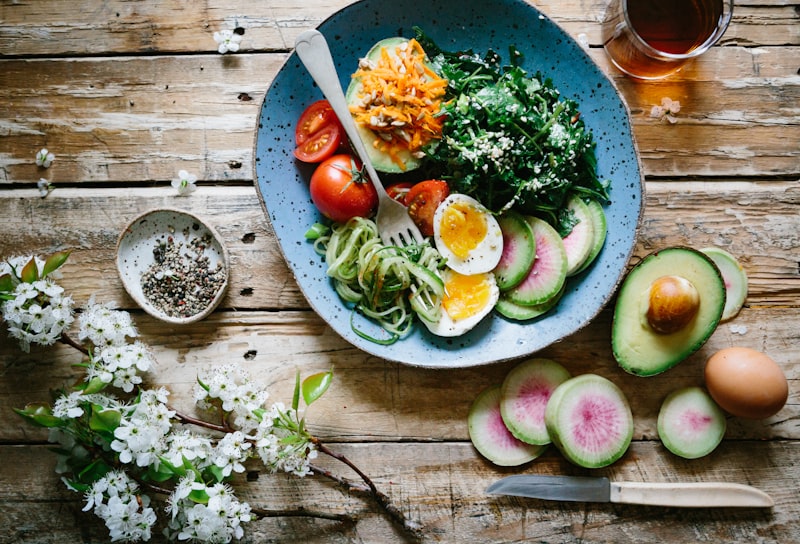
The "continental breakfast" is dead. In 2026, morning nutrition is about blood sugar stability. Successful individuals are opting for breakfasts high in protein (30–50 grams) and healthy fats, with minimal refined carbohydrates. This prevents the insulin spike that leads to a mid-morning energy trough.
Think eggs with avocado, a high-quality whey or collagen smoothie, or smoked salmon. By stabilizing your glucose levels early, you ensure that your brain has a steady supply of fuel, preventing the "hangry" irritability that ruins morning meetings. Nutrition is the foundation of cognitive endurance.
The 2026 Essential: Adding a scoop of creatine monohydrate to your morning water for its well-documented neuro-protective and memory-enhancing benefits.
7. Box Breathing & Breathwork
Stress management is no longer a luxury; it's a survival skill. In 2026, Box Breathing (inhale for 4, hold for 4, exhale for 4, hold for 4) has become a staple in morning routines. This technique, used by elite athletes and special forces, resets the autonomic nervous system, shifting you from "fight or flight" into "rest and digest."
Even 5 minutes of intentional breathwork can lower blood pressure and improve Heart Rate Variability (HRV). It’s about becoming the observer of your thoughts rather than a slave to them. In a high-pressure lifestyle, this mental stillness is where your best ideas are born.
Pro Tip: Use a haptic-feedback breathing device to help guide your rhythm without needing to look at a screen.
8. Intentional Goal Visualization
In 2026, visualization has moved from "woo-woo" to "neuro-plasticity." By spending 2 minutes vividly imagining yourself successfully completing your #1 task for the day, you prime your Reticular Activating System (RAS). This part of the brain acts as a filter; when you visualize a goal, your brain begins to "notice" opportunities and resources that help you achieve it.
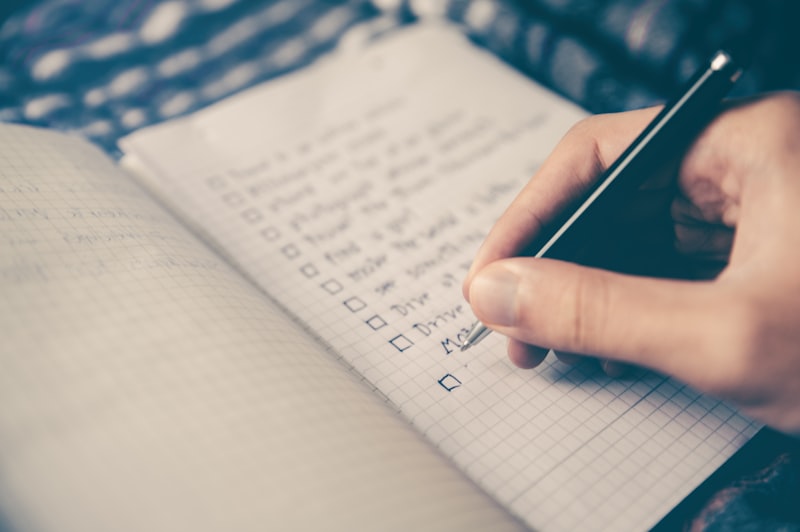
It’s not about wishing; it’s about pre-loading the day's successes. Combined with "Micro-Goal Setting"—writing down just three non-negotiable wins for the day—this habit ensures you are moving the needle on your long-term vision every single morning.
The 2026 Standard: Use "Future-Self Journaling" to write 3 sentences from the perspective of your successful self at the end of the day.
9. Connection & Community

Isolation is a productivity killer. In 2026, the "lonely genius" trope is being replaced by the connected leader. This habit involves a brief, meaningful connection—a 5-minute conversation with a partner, a quick walk with a neighbor, or even a voice note to a friend. These interactions release oxytocin, which buffers against stress and increases creative collaboration.
If you live alone, a "communal morning" might mean visiting your local third-space (like a coffee shop or a co-working lounge) just to be around the energy of other humans before diving into solo work. Social health is as important as physical health in 2026.
Why it works: It reminds your brain that you are part of a tribe, lowering the "survival anxiety" that can often hinder high-level thinking.
10. The Power of "Micro-Learning"

The final habit of the 2026 Gold Standard is compounded knowledge. Instead of scrolling through news headlines (which are often designed to trigger anxiety), successful people use their "low-stakes" morning time (showering, dressing, commuting) for intentional micro-learning. This means listening to a high-level industry podcast, an audiobook, or a language-learning app.
If you learn for just 20 minutes every morning, you will have consumed over 120 hours of education by the end of the year. This intellectual compounding is what separates the experts from the amateurs. Curiosity is the ultimate competitive advantage.
Style it with: A pair of premium noise-canceling earbuds that allow you to create an "audio sanctuary" regardless of your environment.
Conclusion: Crafting Your Bespoke 2026 Morning
The most important thing to remember about morning habits in 2026 is that consistency beats intensity. You don't need to do all ten of these habits tomorrow. Instead, pick two or three that resonate with your current lifestyle and master them. A "perfect" routine that you only do once a week is far less effective than a "good" routine that you do every single day.
Your morning is the rudder that steers the ship. By taking control of your first hour, you stop living reactively and start living intentionally. In a world that is constantly trying to steal your attention, owning your morning is the ultimate act of rebellion. Start tomorrow. No snooze button. No phone. Just you and your potential.
Topics
0
Comments
Loading comments...